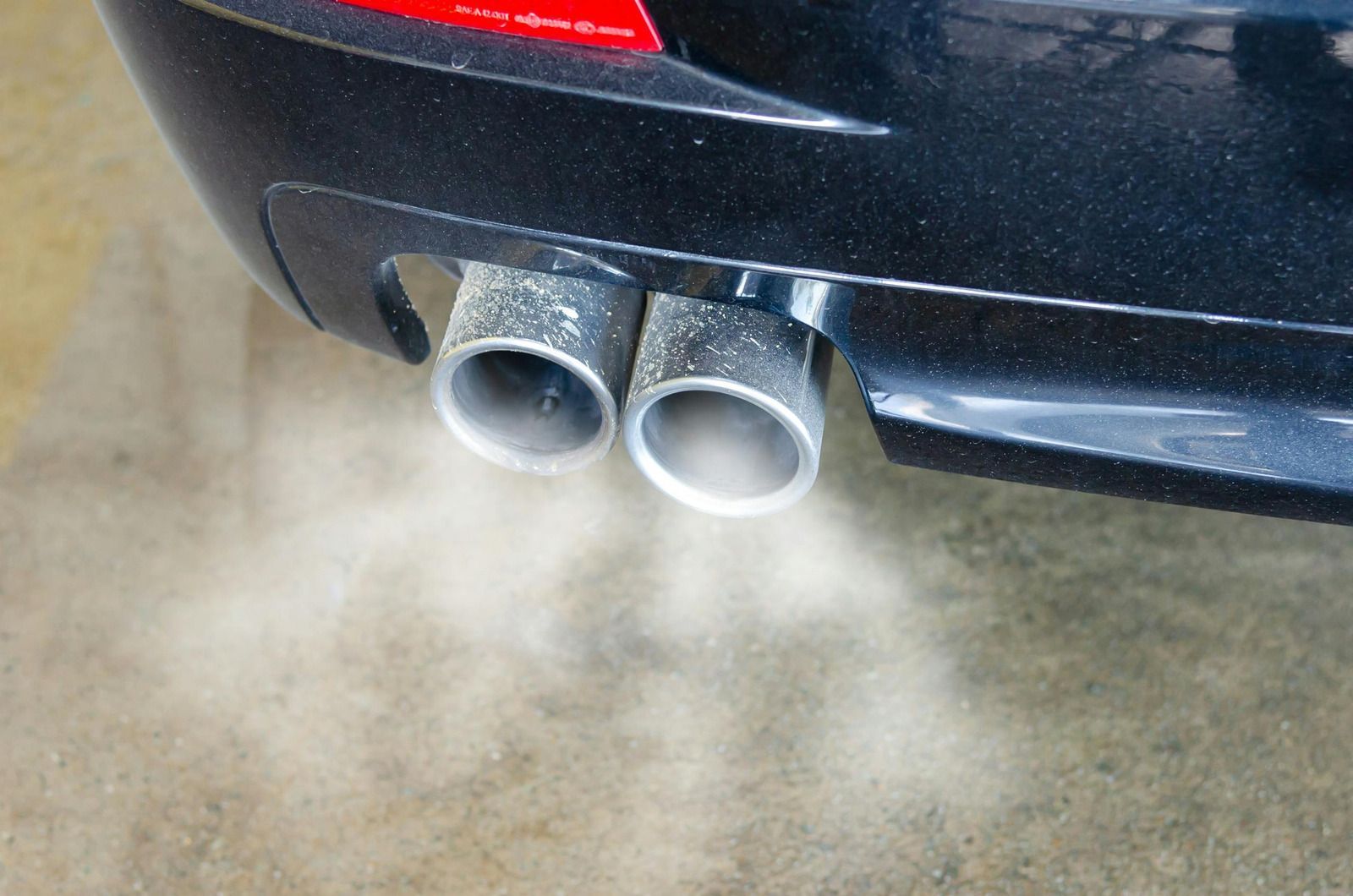
Car Failed Smog Check but Runs Fine? What the Test Sees That You Cannot
QUICK ANSWER: A car can run smoothly and still fail a smog check because the test does not judge how the engine feels to drive. It checks what the emissions system is reporting and measuring. Common reasons include a stored fault code or an illuminated check engine light, readiness monitors that have not finished their self tests, a leak in the fuel vapor system, a tired oxygen sensor, a catalytic converter that is not cleaning exhaust as well as it should, or an aftermarket part that changes emissions equipment. Your Vehicle Inspection Report names the part of the test that did not pass, and that line is the best place to start.
You pulled out of the station, the engine sounded fine, the car accelerated the way it always does, and the report in your hand says FAIL. For a lot of drivers across El Cajon, Santee, La Mesa, and the rest of East County San Diego, that moment feels like a mistake. Nothing is shaking, nothing is smoking, and nothing seems wrong.
Here is the part that surprises people. A smog check is not a test of how the car drives. It is a test of how well the emissions system is working and whether the car's own computer agrees. Those two things can drift apart from your driving experience for a long time. A car can feel perfect while one small sensor, hose, or self test is quietly telling the computer something is off.
This guide walks through what the inspection actually looks at, the hidden causes behind a surprise fail, and a calm way to read your report so your next step is clear.
Why Drivability and Emissions Are Two Different Things
Your engine is built to keep running even when its emissions controls are not at their best. The computer compensates. If an oxygen sensor gets lazy, the computer adjusts the fuel mixture and the car keeps going. If a small vapor line cracks, fuel fumes escape and you never notice a thing from the driver's seat.
Emissions controls exist to catch problems you cannot feel, smell, or hear. That is why a smog check relies on a mix of visual inspection, functional checks, and either an onboard diagnostic scan or a tailpipe measurement, depending on the vehicle. According to the California Bureau of Automotive Repair, most gasoline vehicles from model year 2000 and newer are tested through the onboard diagnostic port, while older vehicles are generally measured at the tailpipe.
So a fail does not mean you did something wrong, and it does not mean the car is about to leave you stranded. It means one of the checks found something the emissions system did not like.
Start With The Report, Not A Guess
Every inspection ends with a Vehicle Inspection Report. It lists which parts of the test were run and which one did not pass. Reading that line first keeps you from chasing the wrong problem.
The Check Engine Light and Stored Codes
The most common reason a smooth running car fails is also the easiest to overlook. The check engine light, formally called the malfunction indicator light, tells the technician the onboard computer has logged a fault. A vehicle with that light on generally does not pass the functional portion of a smog check.
Sometimes the light is steady and you have simply learned to ignore it. Sometimes it flickered on weeks ago and went out on its own. In that second case the computer may still hold a stored code even though the dashboard looks calm, and the scan tool can read it.
What A Code Actually Means
A trouble code identifies a system, not necessarily one failed part. An evaporative leak code could involve a gas cap, seal, hose, or valve.
Why The Light Matters Even When The Car Feels Fine
The warning light shows something in emissions or engine management moved outside expected limits. A test only station reports findings objectively without recommending specific repairs.
Readiness Monitors: The Self Tests That Have Not Finished
This is the cause behind more surprise fails than most drivers expect, and it often has nothing to do with a broken part.
Modern vehicles run a set of internal self tests called readiness monitors. They check systems like the catalytic converter, the oxygen sensors, and the fuel vapor system. These tests do not run all the time. Each one waits for specific driving conditions, such as a certain speed range, a cold start, or a steady cruise, before it runs and reports in.
What Resets Them
Disconnecting or replacing the battery clears the computer's memory, and so does clearing trouble codes with a scan tool. After either one, the monitors go back to not ready and must be completed again through normal driving or a specific drive cycle. A car in that state drives perfectly, which is exactly why this catches people off guard.
What The State Agency Says
The Bureau of Automotive Repair has explained that the monitors are reviewed during an inspection to determine whether they are set, and that some monitors take considerably more time or particular driving conditions to complete, especially after repairs or a battery disconnect. The agency has also described updated approaches to unset monitors that are being phased in gradually, so what applies to your particular vehicle can depend on its model year and fuel type. Your technician can tell you which monitors your report shows as incomplete.
TIP: If your report lists incomplete monitors, think back to whether the battery was replaced, jump started, or disconnected recently, or whether a code was cleared. Then drive normally over several days with a mix of city streets and steady highway cruising before you come back for a retest.
Why One More Drive Around The Block Is Not Enough
Some monitors need a cold engine start followed by a long, steady stretch of driving. A quick trip to the store will not satisfy them. If a few days of mixed driving does not complete them, that can point to an underlying issue that is preventing a monitor from running, and a diagnosis is the sensible next step.
Fuel Vapor Leaks That You Never Notice
Your car's evaporative emissions system captures fuel vapor from the tank and routes it back to be burned instead of letting it escape into the air. It is a sealed system, and it is sensitive. A very small leak can set a code and a check engine light without any change in how the car runs.
Common Sources
The gas cap is the simplest suspect. A loose cap, worn gasket, cracked vapor hose, stuck purge valve, or damaged filler neck seal can allow fuel vapors to escape.
How A Leak Shows Up
There is usually no sound or drivability problem. Instead, you may see a dashboard warning light, stored code, or failed inspection despite the vehicle running normally.
Whether the evaporative monitor may remain unset at inspection has historically depended on the vehicle's model year and fuel type, which is another reason your individual report matters more than a general rule.
Oxygen Sensors and the Catalytic Converter
Oxygen sensors sit in the exhaust and tell the computer how much unburned oxygen is leaving the engine. The computer uses that information to fine tune the fuel mixture many times a second. Over tens of thousands of miles those sensors slow down and respond less sharply.
What a slow sensor does. The engine keeps running and the car may feel exactly the same. But the fuel mixture drifts a little richer or leaner than ideal, and the emissions system can log a code, fail a monitor, or push tailpipe readings higher on an older vehicle.
The catalytic converter's role. The catalytic converter converts harmful exhaust gases into less harmful ones. When it loses efficiency, it often happens gradually and quietly. Many drivers notice nothing until a scan tool reports a catalyst efficiency code or a tailpipe test shows readings above the limit.
Because sensors and converters affect each other, a worn oxygen sensor left alone for a long time can contribute to converter trouble. Sorting out the order of the problem takes proper diagnosis, not guesswork. A test only station can show you the result and the code, but the diagnosis and any repair decision belong with a repair facility you choose.
Aftermarket Parts and Visual Inspection Surprises
Not every fail comes from a worn part. Sometimes it comes from something that was changed on purpose.
Modified Or Removed Equipment
The visual inspection checks required emissions parts, including catalytic converters, for proper presence and connection. Missing components, disconnected hoses, or replacements can cause failure even when the engine runs well.
Aftermarket Exhaust And Intake Parts
Performance parts affecting emissions generally need California Air Resources Board approval, often identified by an Executive Order number. Unapproved parts can fail inspection regardless of vehicle performance.
Engine Software Changes
Modified engine tuning that has not been restored to an approved version can affect inspection results. If custom tuning was performed, tell your technician so they can interpret the report.
Older Vehicles and the Tailpipe Test
Not every car is tested through the diagnostic port. Vehicles built before model year 2000 typically receive a tailpipe test, where the engine runs at set speeds while equipment measures what comes out of the exhaust.
For these vehicles, a smooth idle and a healthy sound do not guarantee clean numbers. Worn spark plugs, aging ignition parts, a dirty air filter, or old engine oil can all push readings up while the engine still feels fine. The test measures the exhaust itself, so it can reveal tuning drift that nobody could spot by listening.
If your report shows a tailpipe reading that did not pass, the numbers on the report show which pollutant was high. That detail helps a repair technician narrow down where to look.
How to Read Your Vehicle Inspection Report
When you are handed a failing report, take a breath and look for four things before deciding anything.
The Failing Category
Was it the visual inspection, functional check, onboard diagnostic scan, or tailpipe test? Knowing this immediately narrows the possible causes and reduces unnecessary troubleshooting.
Any Listed Codes
Write down every code exactly as shown. A technician can use these codes as starting points and compare them with later repairs to confirm progress.
Readiness Status
Check which monitors remain incomplete. This often points toward a needed drive cycle or recent reset rather than an actual component failure, at least initially.
Notes From The Technician
Ask the testing technician to explain each result in plain language. Understanding their notes can help you communicate clearly with the repair technician later.
WARNING: Clearing codes or disconnecting the battery right before a retest will not erase the underlying fault. It resets the readiness monitors to not ready, which can cause a different kind of fail even if the original problem was resolved.
Planning Your Next Step Without Pressure
A fail feels urgent, but you generally have room to think it through. A few steps keep the process orderly.
First, decide whether the cause looks simple or deeper. A loose gas cap or recent battery change differs from a stored catalyst code. Matching the cause prevents unnecessary concern.
Second, choose a repair facility on your own terms. A test only station does not sell repairs, so you can compare diagnoses, repair options, and potential warranty coverage before deciding.
Third, keep your paperwork organized. Hold onto the inspection report and repair records. They can make the retest smoother and help technicians understand which components were already checked or repaired.
Fourth, return for the retest after completing repairs. Your vehicle may need driving before its monitors become ready. Confirm this beforehand to avoid another failed appointment.
If your DMV notice specifically directs your vehicle to a STAR station, mention that when you schedule so the right kind of inspection is lined up from the start.
Frequently Asked Questions
Can a car really fail a smog check if it runs perfectly?
Yes. The inspection evaluates the emissions system, not how the vehicle drives. A stored fault code, an incomplete readiness monitor, a small vapor leak, or an unapproved part can cause a fail while the engine feels normal.
My check engine light is off. Why did I still fail?
An off light does not always mean the system is clear. A code may be stored from an earlier event, or monitors may be incomplete after a battery change or code reset. The scan tool reads what the computer holds.
How long should I drive before a retest if monitors were not ready?
It depends on the vehicle and which monitors are incomplete. Many need cold starts, city driving, and steady highway cruising over several days. If they still will not complete, a diagnosis can find what is blocking them.
Does a failed inspection mean I need a new catalytic converter?
Not necessarily. Many fails trace back to simpler causes like sensors, vapor leaks, or incomplete monitors. Catalyst codes are only one possibility, and a proper diagnosis should confirm the cause before any major part is replaced.
Will a test only station tell me what to fix?
A test only station performs the inspection and reports the result, but it does not sell repairs. The report and the technician's explanation give you a clear starting point to bring to the repair facility you choose.
Does an older car get tested differently?
Generally, yes. Vehicles built before model year 2000 are typically tested with a tailpipe measurement, while newer gasoline vehicles are usually tested through the onboard diagnostic port. Your technician confirms the correct method before testing begins.
Making Sense of a Failed Smog Check Result
A failed smog check on a car that runs fine is frustrating, but it is rarely a mystery once you know what the test is looking at. The inspection judges the emissions system, not how the engine feels on the road, so a stored code, an unfinished readiness monitor, or a small vapor leak can cause a fail without any warning signs. Reading the report closely and matching the cause to the right system lets you plan the next step calmly and at your own pace.
Pepper Drive Test Only
in El Cajon, CA, has served East County drivers for over 47
years, and the same advice holds for nearly every failed report. Start with the failing category, write down any codes, and let the car finish its self tests through normal driving before a retest. Choosing a repair facility on your own terms keeps the decision with you. With a clear result in hand, the path forward becomes much easier to follow.